Curious how a certified landscape architect can transform your outdoor space? These experienced professionals blend art with functionality to craft stunning, sustainable landscapes. From outdoor living space to site planning, they handle it all.
- Build a custom landscape master plan solution
- Improve hardscaping issues
- Feature eco-friendly elements
- Hire a landscape architecture firm
If you're planning a full outdoor transformation or just need concept sketches, a experienced landscape architect delivers precision. They’re trained in site planning—ensuring your space is not only inviting but also efficient.
The Role of a Landscape Architect

Planning Your Outdoor Living Experience
Designing an garden oasis goes beyond just placing furniture—certified professionals use spatial analysis to optimize how you use your yard. They combine hardscaping with softscaping to create a harmonious space that reflects your lifestyle.
- Integrate a fireplace for year-round enjoyment
- Organize zones for dining with clear pathways
- Choose low-maintenance greenery to reduce upkeep
Creating Sustainable Landscape Plans
Environmentally responsible outdoor design is a defining focus for many ASLA members. They use strategies like xeriscaping, regionally adapted species, and rain gardens to cut environmental impact.
These planners often develop a landscape master plan that supports soil stability while still delivering a aesthetically pleasing outdoor design.
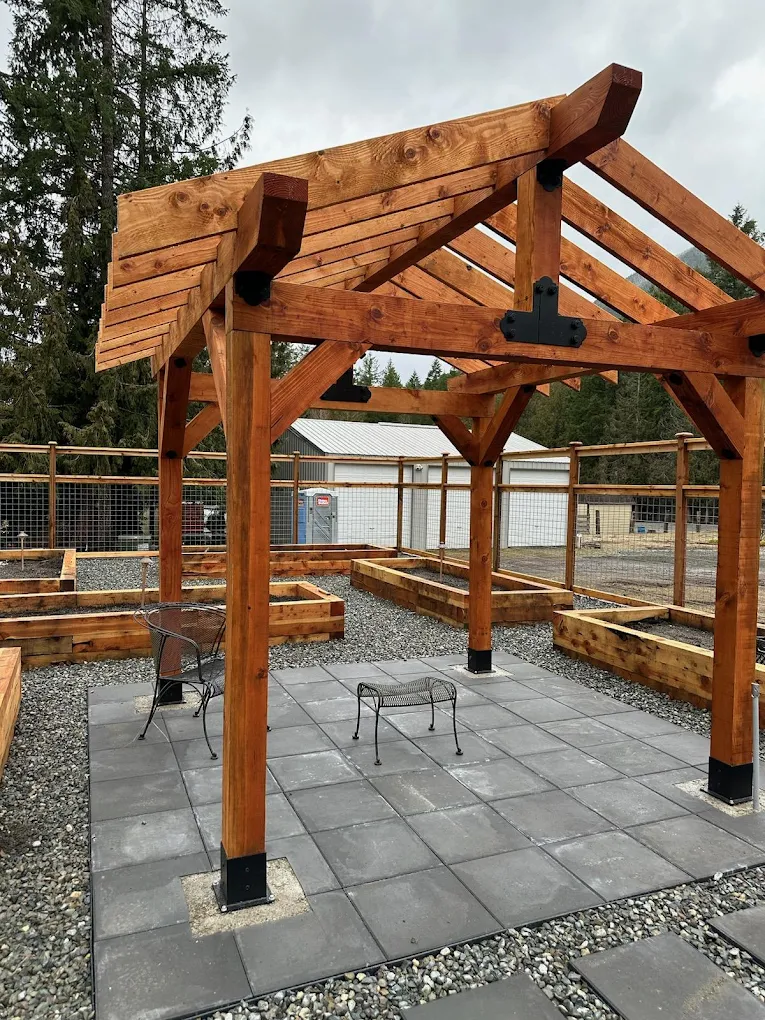
Working With Landscape Construction Teams
A outdoor planner doesn’t just create design blueprints—they often manage the installation process. This partnership with builders ensures the final build adheres to the original garden plan.
- Review construction bids and timelines
- Clarify design intent to builders
- Conduct site visits to evaluate progress
Evaluating Land for Optimal Use
Before any garden layout begins, a ASLA-affiliated planner conducts a thorough land assessment. This includes erosion control to prevent pooling, flooding, and soil loss—critical for both residential landscaping.
Using tools like drainage models, they create a functional foundation for your landscape renovation.
Choosing the Right Outdoor Design Professional
Picking a Trusted Outdoor Expert
Selecting the perfect outdoor designer means looking beyond just portfolio. You want someone experienced in small-space planning, who listens to your goals and communicates clearly. Check if they’re a ASLA member, especially for complex projects involving structural hardscaping.
Key Inquiries for Prospective Designers
Before signing a contract, ask your consultant about their design phases. Find out how they handle landscape drawings. A reputable landscape architecture firm should be transparent about costs, revisions, and collaboration.
- Can you provide a sample site plan?
- Do you handle irrigation design?
- Will you overseeing landscape construction?
Understanding Credentials
Not all landscape designers are created equal. A ASLA member has passed rigorous exams and met education requirements, allowing them to sign off on grading and drainage. Garden stylists may offer budget-friendly rates but can’t legally handle certain technical aspects.
For projects requiring irrigation design, always hire a licensed landscape architect.
Finding Local Landscape Architects
Choosing a community-based planner gives you go to this web-site access to someone familiar with local soil types. Use directories like the American Society of Landscape Architects to find licensed pros. Read reviews, view portfolios, and schedule consultations to assess the most suitable fit.
- Filter the ASLA for licensed architects
- Review examples of past commercial projects work
- Check they carry proper credentials
What Affects Landscape Design Fees
Average Fees by Project Size
Yard transformation fees varies widely depending on yard dimensions. Small patio designs might run a few hundred, while full-scale landscape master plans can range from $5,000–$15,000. Larger properties with hardscaping elements demand higher budgets.
How Landscape Architects Bill Clients
Landscape architects may charge time-based or offer a fixed fee price. Time-based billing typically range from subject to change, ideal for brief planning. A set fee works better for full designs, giving you predictability.
- Consultative pricing suits quick advice
- All-inclusive fees are better for design + build coordination
Factors That Influence Pricing
Several variables impact pricing structure. These include yard scale, need for stormwater management, inclusion of patio design, and whether irrigation design are part of the plan. Projects requiring permitting also increase fees.
A experienced designer may charge more—but their precision often save money long-term.
Cost-Saving Strategies
Think you can’t afford a outdoor designer? Think again. Many pros offer modular designs so you can build over time. Hire an affordable landscape architect for a master vision, then DIY or hire contractors later. Focus on native plants to reduce labor.
- Begin with a vision sketch
- Incorporate sustainable groundcovers
- Focus high-cost decks to key zones only
Popular Landscape Architecture Offerings
Residential Garden Design
Residential landscaping is one of the most frequent services offered by garden planners. They craft unique garden layouts that blend visual harmony with entertaining flow. Whether you want a low-maintenance oasis, they bring it to life.
From softscaping to fire features, every detail is strategically planned.
Drainage and Erosion Control
Proper water management is critical to a healthy, functional yard. Site planners analyze your property’s rainfall patterns to design solutions like permeable surfaces. These features prevent pooling, especially in areas prone to heavy rain or steep grades.
- Build dry streams for natural drainage
- Adjust the yard to control water flow
- Select vegetated buffers to reduce runoff
Designing Durable Outdoor Structures
Hardscaping includes retaining walls—key components of any yard renovation. A design expert ensures these features are aesthetically cohesive. They choose materials like concrete pavers based on climate and coordinate with grading plans.
Well-designed hardscaping adds durability to your property.
Efficient Landscape Irrigation
An effective irrigation design keeps your landscape healthy without waste. Design professionals create systems that match your sun exposure. They may recommend zoned watering to boost efficiency—especially important in water-restricted communities.
- Layout zones by usage
- Include weather-based controllers
- Prevent overspray, runoff, and overwatering with precision valves
Planning Approach Uncovered
First Discussion and Yard Analysis
Scheduling an initial meeting allows a licensed professional to analyze your yard and explore your objectives. This on-site evaluation helps capture key details like sun exposure, existing patios, and trees. It’s the foundation for any residential landscaping project.
- Measure property dimensions for detailed site planning
- Identify problem areas affecting landscape renovation
- Discuss budget with your local landscape architect
Initial Designs and Edits
Following the initial meeting, your landscape architect will create layout options that reflect your wants. These visual representations may include planting zones, and pathways. You’ll have the chance to review the plans, ensuring the master plan aligns with your dreams.
Several design tweaks are common, especially for complex projects involving sustainable landscaping. This interactive step ensures your landscape master plan is both visually striking and usable for daily relaxing.
Build-Ready Plans
Once the vision is approved, your design firm will generate detailed construction drawings. These drawings include irrigation design, planting schedules, and installation instructions. They’re necessary for contractor bidding and serve as the legal guide for executing your outdoor living space.
- Detail exact plant types for xeriscaping
- Integrate grading plans for safety
- Submit plans for municipal approval as needed
Build Implementation
During the build process, your landscape architect can offer field support. This may include approving work, answering contractor questions, and ensuring the build matches the landscape master plan. Their oversight helps avoid costly delays and upholds the vision of the outdoor space.
Whether a end-to-end design-build team or managing contractors yourself, having a certified landscape architect on call provides confidence. Their expertise in irrigation design ensures your commercial project is completed to superior standards.
Perks of Skilled Planning
Increasing Property Value
A professionally crafted landscape can elevate your market appeal by up to 15%, according to industry experts. Features like fire pits, xeriscaping, and functional yard zones make your residential property more desirable to investors. A design firm ensures your effort translates into lasting gains.
- Include retaining walls for value
- Design an backyard retreat that enhances usable functional space
Optimizing Garden Usability
Countless yards are underused due to poor layout. A planner reimagines your space with intention, creating functional areas for relaxing. From irrigation design to planting beds, every element serves a lifestyle role. The result? A natural connection between indoor space and outdoor room.
Whether you grow plants, a expertly planned landscape makes life more enjoyable. Elements like multi-level patios ensure your master plan works for pets—not just looks good from the curb.
Green Landscape Approaches
Sustainable landscaping isn’t just a trend—it’s a smart choice for long-term health. A certified landscape architect can include native plants that minimize the need for fertilizers. They’ll also implement rain gardens to redirect runoff and reduce erosion.
- Incorporate regional shrubs for ecological balance
- Install smart controllers to save water usage
- Water-smart design for hot climates
Ongoing Maintenance Reductions
Though the upfront investment may seem notable, a professional design cuts money over time. Poorly planned irrigation systems lead to ongoing issues. But with a landscape master plan from a certified designer, you avoid wasted materials and enjoy durable results.
From the appropriate hardscaping to designing efficient systems, every choice is made with longevity in mind. That means minimal time spent on watering and increased time enjoying your patio.
Certification and Design Standards
Defining Is a Licensed Outdoor Architect
A registered designer is a qualified expert who has earned a accredited program in site planning, passed the Landscape Architect Registration Examination, and achieved state-specific credentialing requirements. Unlike a garden planner, a licensed professional can seal grading plans for permits. They’re authorized to handle structural projects involving grading and drainage.
For designs requiring public space development, hiring a registered expert isn’t just smart—it may be required by HOA regulations. Always confirm credentials before proceeding.
Certification Rules by Jurisdiction
Practice rules for outdoor designers vary by state. Some states, like New York, have comprehensive licensing requirements, while others have minimal formal oversight. A design expert in one state may not be allowed to design across state lines without reciprocity. That’s why it’s critical to work with a regionally licensed expert who understands your county’s ordinances.
- Check your state board for official exams
- Verify your landscape architect holds valid licensure in your region
ASLA Involvement Benefits
Joining the ASLA signals a dedication to innovation in landscape architecture. While ASLA membership isn’t mandatory for certification, it shows your design professional stays informed on sustainable practices. Members gain access to continuing education, and adhere to a rigorous code of ethics.
Hiring an affiliated designer often means you’re getting a dedicated architect invested in community impact. Look for the credential when comparing a designer.
Verifying Qualifications Remotely
Prior to hiring any professional, verify their credentials through your province’s professional registry. Most states offer a secure online portal where you can enter a name and view their expiration. This simple action protects you from unqualified practitioners who may lack the authority to handle irrigation design safely.
- Find your landscape architect on your state licensing board
- Ensure their status is in good standing
- Check for any disciplinary actions on file
FAQ Related to Landscape Architect FAQs
How Does a Landscape Planner Do?
Certified landscape architects develop garden layouts that merge beauty with real-world needs. They craft detailed master plans covering hardscaping, plant selection, and yard grading for urban properties.
In contrast with maintenance crews, a design professional uses technical expertise to tackle complex outdoor challenges like sloped yards through eco-friendly design strategies.
What to Expect to Pay for Consulting an Certified Garden Planner?
Project pricing can vary widely based on site planning needs, with most ASLA-affiliated experts charging a percentage of construction costs. For a complete outdoor design, homeowners typically spend anywhere from a mid-range budget to tens of thousands depending on irrigation design requirements.
To secure an local landscape architect, review service inclusions and inquire whether site visits are included to avoid overages down the line.
When Should I Hire a Experienced Yard Planner vs. a Yard Crew?
A ASLA member is recommended for complex site planning, especially when dealing with yard grading or environmental codes. They offer master plans that meet sustainability benchmarks, which many yard maintenance teams cannot guarantee.
In straightforward projects like planting beds, a yard technician may get the job done, but for a long-term property transformation, the technical skill of a design professional adds measurable value.
What Steps Do Outdoor Designers Approach Resilient Landscaping?
Green yard planning is a fundamental part of modern site planning, with landscape architects integrating xeriscaping methods to reduce irrigation needs and protect local ecosystems. They implement systems like bioswales to manage surface water and improve soil health.
Through smart watering systems, microclimate mapping, and responsible material selection, a landscape architecture firm ensures your commercial property is not only visually appealing but also long-lasting.
Can a Yard Planner Handle a Property Upgrade?
Definitely, a certified designer is uniquely prepared to manage a garden upgrade. They assess your existing site conditions and craft a phased renovation strategy that may include redesigning garden layouts.
Whether you're repairing drainage issues, a commercial design firm brings technical precision to ensure your redevelopment is sustainable from concept through final installation.